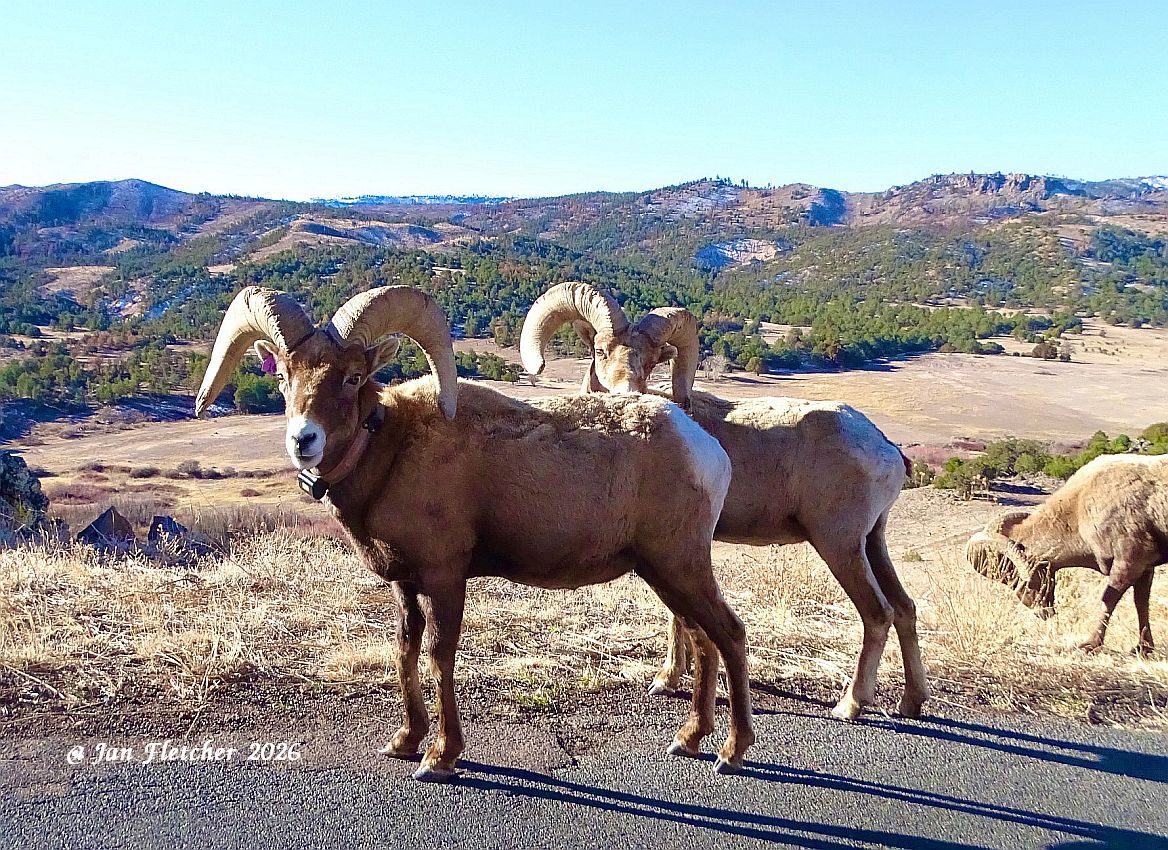
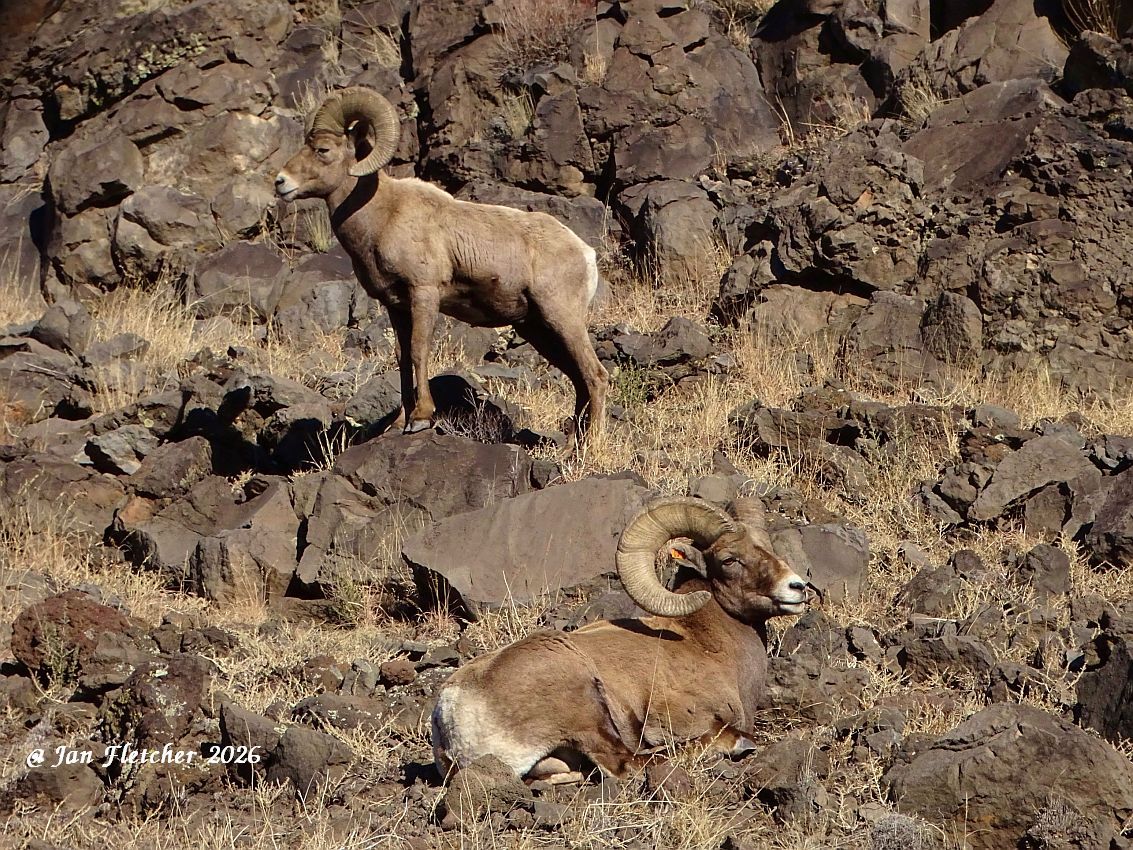
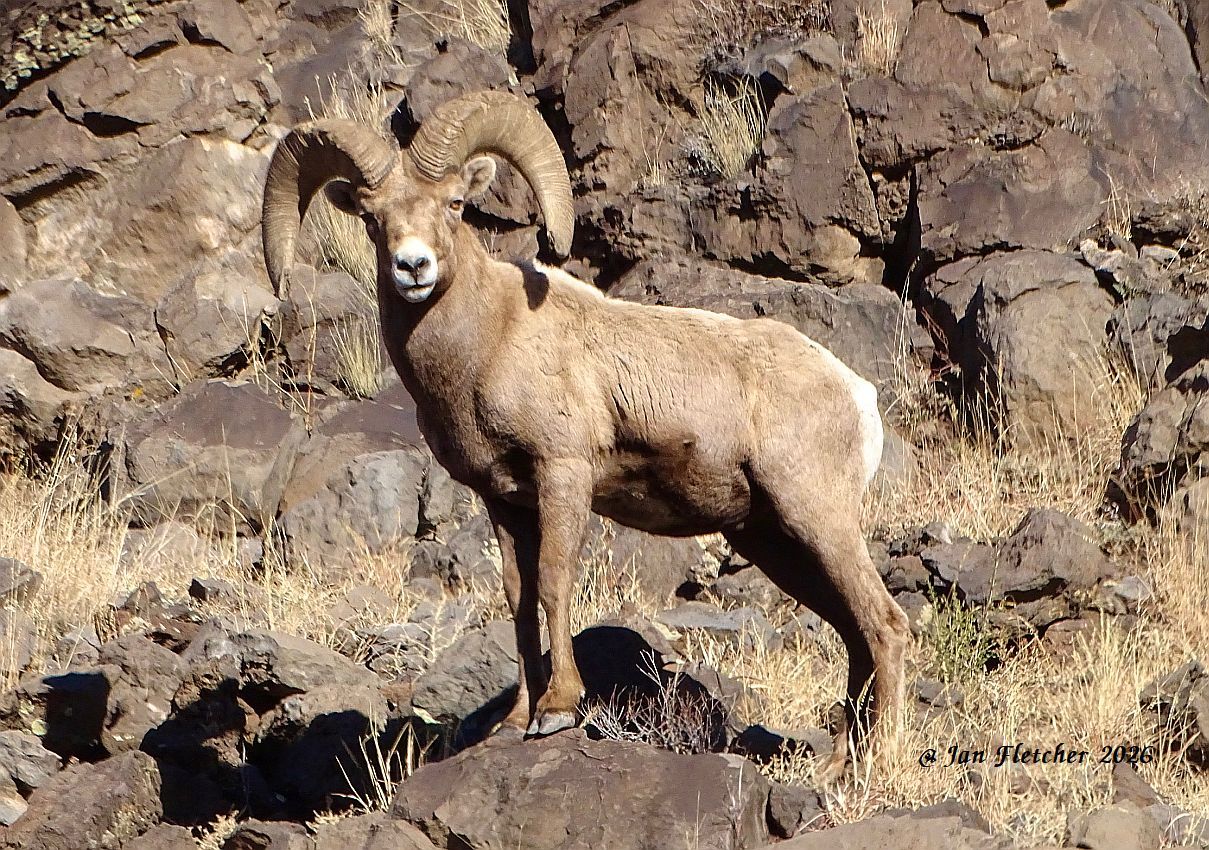
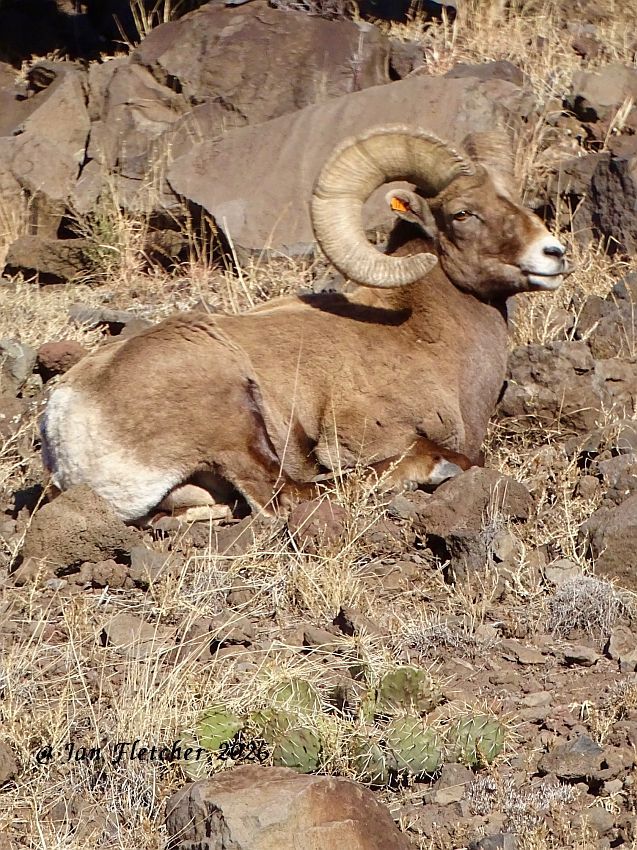
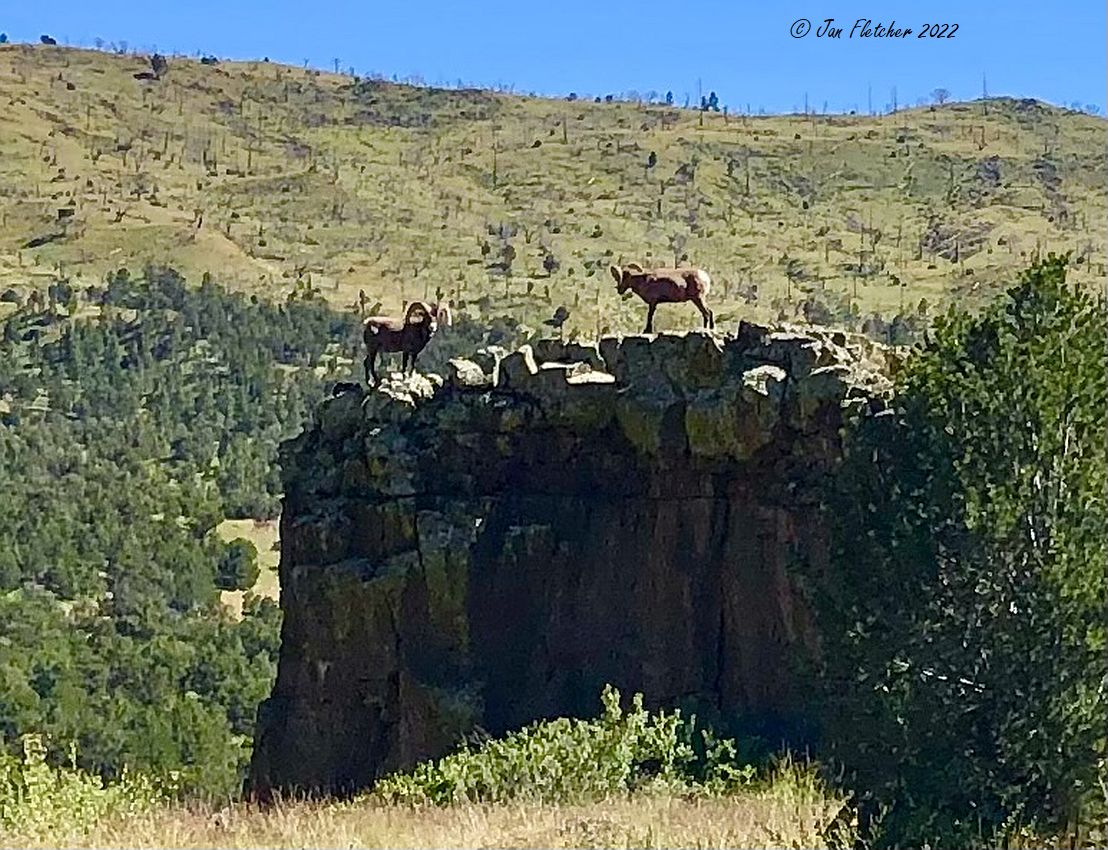
| Ovis canadensis, the desert bighorn subspecies, inhabits rugged mountain ranges and canyonlands across the state, especially in the Sonoran and Mojave desert regions. Adapted to steep, rocky terrain that provides escape from predators such as mountain lions, they are agile climbers with specialized hooves for gripping cliffs. Their diet consists mainly of grasses, forbs, and shrubs, shifting seasonally with rainfall. Bighorn sheep are social animals, with rams forming bachelor groups and ewes and lambs living in nursery bands; rams compete for breeding rights during fall rutting season through head-butting displays. Arizona populations declined in the late 19th and early 20th centuries due to overhunting, disease from domestic livestock, and habitat loss. Conservation measures including regulated hunting, translocation programs, and protected habitat, have helped stabilize and restore many herds.
|